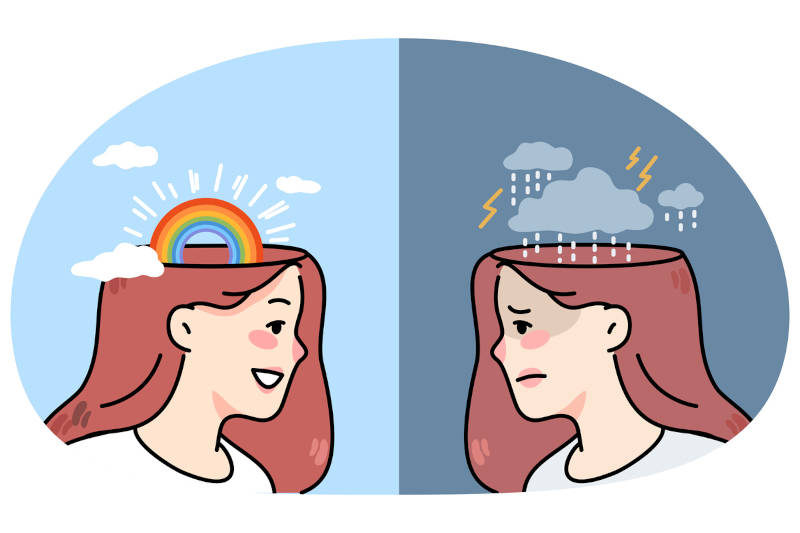


Feeling exhausted, unmotivated, or emotionally drained does not always mean the same thing. Depression and burnout can share many symptoms, including fatigue, difficulty concentrating, changes in sleep, irritability, and losing interest in things you once enjoyed. Because of these similarities, it can be difficult to understand what is really causing the way you feel.
The biggest difference is often the source and scope of the symptoms. Burnout is generally connected to prolonged stress or overwhelming demands, while depression is a mental health condition that can affect many areas of a person’s life, even when there is no obvious external stressor. Understanding these differences can help you determine when lifestyle changes may be enough and when professional mental health treatment may be appropriate.
What Is the Difference Between Depression and Burnout?
Burnout is typically a response to prolonged or chronic stress, while depression is a mental health disorder that can affect mood, thoughts, behaviors, and daily functioning.
Burnout often develops when someone has been under sustained pressure without enough time or resources to recover. Work is a common source, but burnout can also result from caregiving, school, parenting, financial stress, or other ongoing responsibilities.
Depression, on the other hand, involves persistent changes in mood and functioning that are not necessarily limited to one stressful situation. Someone experiencing depression may feel hopeless, empty, worthless, or disconnected from life. These symptoms can continue even after circumstances improve.
There can also be significant overlap. Prolonged burnout may contribute to depression, and someone experiencing depression may describe themselves as feeling completely burned out.
What Symptoms Do Depression and Burnout Have in Common?
Both depression and burnout can cause exhaustion, reduced motivation, concentration problems, sleep changes, irritability, and withdrawal from activities.
Someone experiencing either condition may struggle to get through the day or feel like even ordinary responsibilities require excessive effort.
Common overlapping symptoms include:
- Persistent tiredness or low energy
- Difficulty concentrating or making decisions
- Changes in sleep
- Irritability or frustration
- Reduced motivation
- Social withdrawal
- Decreased productivity
- Feeling overwhelmed
- Loss of enjoyment
- Physical tension or stress-related symptoms
Because these symptoms occur in both conditions, simply identifying individual symptoms usually is not enough to determine whether someone is experiencing burnout or depression.
How Does Burnout Usually Affect Your Mood and Motivation?
Burnout often causes emotional exhaustion, detachment, frustration, and reduced motivation that are closely connected to a particular source of ongoing stress.
For example, a person experiencing workplace burnout may dread going to work, feel emotionally exhausted after each shift, and have difficulty finding the energy to complete responsibilities. However, they may still enjoy spending time with friends, exercising, pursuing hobbies, or relaxing when they are away from work.
Burnout can also cause someone to become cynical or detached. They may feel that their efforts do not matter or that they cannot keep meeting expectations.
One important clue is whether removing yourself from the stressful environment provides some relief. If someone feels significantly better after taking time away from work or another source of stress, burnout may be contributing to their symptoms.
How Does Depression Usually Affect Your Mood and Motivation?
Depression tends to affect multiple areas of life rather than being limited to one stressful environment or responsibility.
A person experiencing depression may lose interest in activities they previously enjoyed, including hobbies, relationships, exercise, or social events. Rest may not make them feel substantially better, and they may continue feeling emotionally low even when nothing particularly stressful is happening.
Depression can also involve feelings of hopelessness, guilt, worthlessness, or emptiness. Some people experience changes in appetite, sleep, energy, or physical activity.
If low mood and loss of interest extend beyond a particular situation and begin affecting relationships, self-care, work, school, and other parts of daily life, it may be important to consider whether depression or another mental health condition could be involved.
Can Burnout Turn Into Depression?
Yes, prolonged burnout can increase the risk of developing depression, particularly when chronic stress continues without adequate recovery or support.
Burnout and depression are not completely separate experiences. Someone may initially feel overwhelmed by excessive responsibilities, become emotionally exhausted, and eventually develop more pervasive symptoms.
For example, a person might initially think, “I just need a vacation.” After taking time away, however, they may discover that their exhaustion, hopelessness, low motivation, and loss of interest remain.
When symptoms continue beyond the original stressor or become increasingly severe, professional evaluation can help determine what is happening.
How Can You Tell Whether Your Symptoms Are Caused by Burnout or Depression?
Look at how long the symptoms have lasted, what triggers them, whether they improve with rest, and whether they affect areas of life unrelated to the original stressor.
Consider these questions:
- Do I feel better when I am away from the source of stress?
- Have I lost interest in activities I normally enjoy?
- Do I feel hopeless or worthless?
- Are my symptoms affecting my relationships and personal life?
- Have my sleep, appetite, or energy changed significantly?
- Do I feel emotionally exhausted even after resting?
- Are my symptoms continuing even though the stressful situation has improved?
These questions cannot replace a professional diagnosis, but they can help identify patterns worth discussing with a mental health professional.
It is also important to remember that symptoms can have more than one explanation. Conditions such as anxiety, ADHD, bipolar disorder, PTSD, OCD, and other mental health concerns can sometimes produce symptoms that overlap with depression or burnout.
Why Is It Important to Identify the Underlying Cause of Your Symptoms?
Understanding the underlying cause matters because effective treatment should address what is actually contributing to your symptoms rather than simply treating exhaustion on the surface.
If burnout is the primary concern, treatment may involve identifying unhealthy stress patterns, establishing boundaries, improving coping strategies, and creating opportunities for meaningful recovery.
If depression is contributing to symptoms, mental health treatment may focus on mood, thought patterns, behavior, relationships, and other factors affecting emotional well-being.
In some cases, both burnout and depression may need to be addressed. A mental health professional can help evaluate symptoms, identify contributing factors, and determine what level of support is appropriate.
What Treatments Can Help When Depression or Burnout Is Affecting Daily Life?
Therapy can help people understand contributing factors, develop healthier coping strategies, and build practical skills for managing emotional distress and stress.
Evidence-based approaches may include cognitive-behavioral therapy (CBT), which can help individuals recognize and change unhelpful patterns of thinking and behavior.
Dialectical behavior therapy (DBT) can also provide skills for managing intense emotions, handling distress, improving relationships, and responding to difficult situations more effectively.
Depending on a person’s needs, group therapy can provide opportunities to learn from others experiencing similar challenges while developing communication and coping skills in a supportive setting.
For individuals whose symptoms are connected to past traumatic experiences, trauma-informed therapy can provide an approach that recognizes how trauma may influence emotional and behavioral health.
The right approach depends on the individual’s symptoms, circumstances, goals, and clinical needs.
When Should You Seek Professional Help for Depression or Burnout?
You should consider professional help when symptoms persist, interfere with daily functioning, become increasingly severe, or make it difficult to care for yourself and maintain important responsibilities.
Occasional stress and tiredness are normal, but persistent emotional exhaustion should not simply be ignored. Seeking help does not mean that someone has failed to manage stress. It can provide an opportunity to understand what is happening and learn strategies for improving mental health.
Professional support is especially important when symptoms include severe hopelessness, significant withdrawal, major changes in sleep or appetite, inability to perform everyday responsibilities, or thoughts of self-harm or suicide. Anyone experiencing an immediate risk of harm should seek emergency assistance or call or text 988 for the Suicide & Crisis Lifeline.
How Can Solutions Behavioral Health Help With Depression and Burnout?
Solutions Behavioral Health provides mental health treatment in Brookfield, Wisconsin, for individuals who need professional support managing depression, burnout, and other mental health challenges. Call us today at (262) 999-0871 for help with depression or burnout.
At Solutions Behavioral Health, treatment focuses on helping clients better understand the factors affecting their mental health while developing practical skills for managing symptoms and improving daily functioning. Treatment may incorporate evidence-based therapies and supportive clinical services based on each person’s needs.
If you are struggling to determine whether you are experiencing burnout, depression, or another mental health concern, you do not have to figure it out alone. A professional evaluation can help clarify what may be contributing to your symptoms and identify appropriate treatment options.