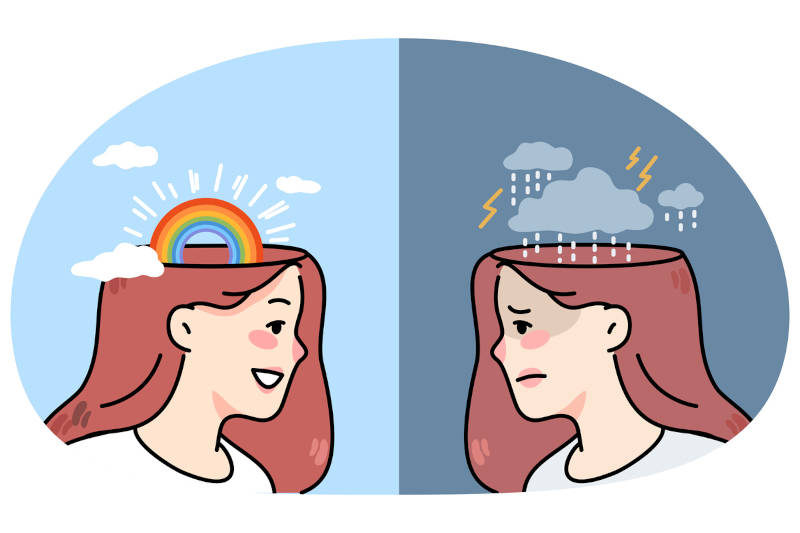


Everyone experiences worry or nervousness from time to time. Stress before an important event, concern about finances, or uncertainty about the future can all cause temporary anxiety. But when fear or worry becomes persistent, difficult to control, or disruptive to daily life, it may be a sign of an anxiety disorder.
Anxiety disorders can affect thoughts, emotions, physical health, relationships, work, school, and everyday activities. The symptoms can also vary from person to person, which can make it difficult to recognize when occasional worry has developed into a more significant mental health concern.
Understanding the common signs of an anxiety disorder can make it easier to recognize when additional support may be helpful.
8 Most Common Signs of an Anxiety Disorder
Anxiety disorders can involve emotional, physical, behavioral, and cognitive symptoms. Eight common signs include persistent worry, difficulty controlling anxious thoughts, restlessness, physical symptoms, sleep problems, difficulty concentrating, avoidance, and anxiety that interferes with everyday life.
Not everyone with an anxiety disorder will experience every symptom. Some people primarily notice racing thoughts, while others experience physical symptoms such as muscle tension or a rapid heartbeat. Recognizing patterns over time can be more useful than focusing on one isolated symptom.
1. Persistent Worry
Persistent worry is one of the most recognizable symptoms of an anxiety disorder. A person may find themselves frequently worrying about work, relationships, finances, health, family, school, or other areas of life.
The concern may continue even when there is no immediate problem to solve. Someone might repeatedly think about what could go wrong or feel that they need to prepare for every possible negative outcome.
Occasional worry is a normal part of life. Anxiety becomes more concerning when worry is excessive, occurs frequently, or is difficult to turn off.
2. Difficulty Controlling Anxious Thoughts
People with an anxiety disorder may recognize that their worries are excessive but still feel unable to stop them. Trying to push anxious thoughts away may not work and can sometimes cause the thoughts to become even more persistent.
For example, someone might repeatedly replay a conversation, imagine worst-case scenarios, or seek reassurance about something that has already been resolved. This mental cycle can make it difficult to relax and can consume significant amounts of time.
When anxious thinking repeatedly interferes with daily responsibilities or emotional well-being, it may be worth discussing with a mental health professional.
3. Restlessness and Feeling Constantly On Edge
Anxiety can create a persistent sense of being “on edge.” A person may feel restless, tense, keyed up, or unable to fully relax even when they are physically safe.
This can show up in different ways. Someone might pace, fidget, have difficulty sitting still, or feel an internal sense of agitation. They may also constantly monitor their surroundings for potential problems.
This heightened state of alertness can become exhausting over time, particularly when a person rarely feels able to switch off from perceived threats.
4. Physical Symptoms
Anxiety does not only affect thoughts and emotions. It can also activate the body’s stress response, producing noticeable physical symptoms.
Common physical symptoms can include:
- Rapid heartbeat
- Muscle tension
- Sweating
- Trembling or shaking
- Shortness of breath
- Headaches
- Stomach discomfort
- Fatigue
- Dizziness
- Feeling restless or unable to relax
These symptoms can sometimes become part of a cycle. For example, a person may notice their heart racing, become concerned about the sensation, and then experience even more anxiety.
Physical symptoms can have many possible causes, so new or severe symptoms should not automatically be assumed to be anxiety. A healthcare professional can help determine whether further medical evaluation is appropriate.
5. Sleep Problems
An anxious mind can make it difficult to settle down at night. People may lie awake thinking about upcoming responsibilities, replaying events from the day, or worrying about what might happen tomorrow.
Anxiety can contribute to difficulty falling asleep, waking during the night, or feeling that sleep is not restorative. Poor sleep can then make it harder to regulate emotions and manage stress the following day.
This can create a cycle in which anxiety disrupts sleep and inadequate sleep makes anxious thoughts and physical tension more difficult to manage.
6. Concentration and Decision-Making
Anxiety can make it difficult to focus because attention may repeatedly shift toward worries or perceived threats. Someone might read the same paragraph several times, lose track during conversations, or struggle to complete tasks.
Anxious thinking can also make decisions feel unusually difficult. A person may repeatedly question whether they are making the right choice or worry about the consequences of even relatively minor decisions.
Concentration problems can occur with many mental health conditions, including anxiety, ADHD, and depression. A thorough evaluation can help identify what may be contributing to the symptoms.
7. Avoiding People, Places, or Situations
Avoidance is a common way people try to manage anxiety. If a particular situation creates intense discomfort, avoiding it may provide immediate relief.
Someone might avoid social gatherings, driving, public speaking, crowded places, medical appointments, travel, or other situations they associate with anxiety. Over time, however, avoidance can begin to limit a person’s activities and interfere with work, relationships, school, or other responsibilities.
Avoidance can also reinforce anxiety. When someone continually escapes situations that make them uncomfortable, they may have fewer opportunities to learn that they can tolerate the discomfort or cope with the situation successfully.
8. Interference With Everyday Life
One of the most important signs that anxiety may require professional attention is its impact on daily functioning. Anxiety may become a significant concern when it repeatedly interferes with responsibilities, relationships, sleep, school, work, or the ability to participate in activities a person once enjoyed.
For some people, anxiety may also occur alongside other mental health concerns. Depending on the individual, symptoms can overlap with conditions such as bipolar disorder, borderline personality disorder (BPD), PTSD, or OCD.
This does not mean that experiencing anxiety automatically indicates another diagnosis. Instead, it highlights why a professional evaluation can be useful when symptoms are persistent, severe, or difficult to understand.
How is an Anxiety Disorder Treated?
Treatment for an anxiety disorder depends on the person’s symptoms, needs, diagnosis, and goals. Psychotherapy is one common approach to anxiety treatment. Cognitive-behavioral therapy (CBT), for example, can help people identify patterns of anxious thinking and develop healthier ways of responding to distress.
Some people may also benefit from approaches such as dialectical behavior therapy (DBT), group therapy, or trauma-informed therapy, depending on their individual circumstances.
The appropriate level of care can vary. Some people benefit from traditional outpatient therapy, while others may need a more structured outpatient program when symptoms significantly interfere with daily functioning.
When Should Someone Seek Help for Anxiety?
It may be time to seek professional support when anxiety is persistent, difficult to control, or interfering with everyday life. You do not need to wait until symptoms become overwhelming before reaching out.
A mental health professional can help identify patterns, determine whether an anxiety disorder may be present, and develop an individualized treatment plan. Getting support can also help someone understand whether other factors may be contributing to their symptoms.
How Can Solutions Behavioral Health Help With Anxiety Treatment in Brookfield, Wisconsin?
If anxiety is making it difficult to manage daily responsibilities, relationships, work, school, or other parts of life, professional treatment may provide a structured place to address those concerns.
Solutions Behavioral Health provides mental health treatment in Brookfield, Wisconsin, at 3400 Intertech Dr #130 in Brookfield, WI 53045. The facility offers outpatient mental health services designed to provide support based on each person’s needs.
If you or a loved one is struggling with persistent anxiety symptoms, contact Solutions Behavioral Health at (262) 999-0871 to learn more about available treatment options and determine whether the program may be appropriate for your situation.