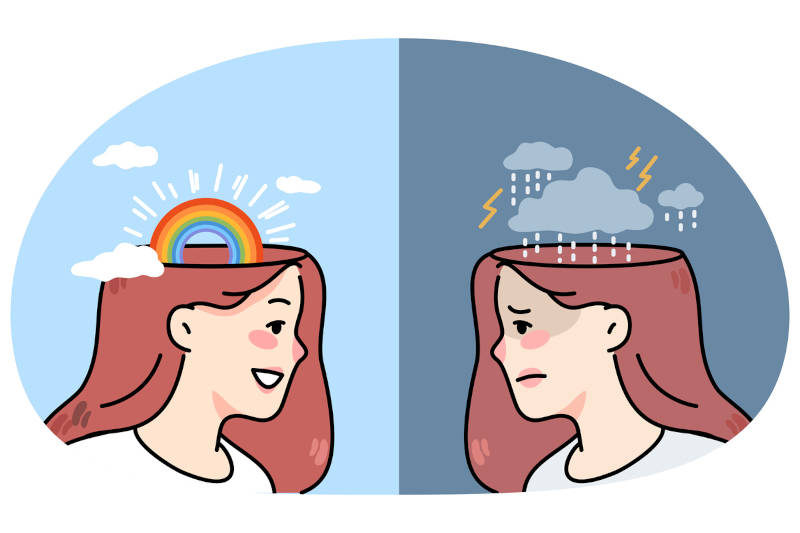

When life becomes overwhelming, people naturally look for ways to feel better. Some coping strategies can reduce stress, improve emotional well-being, and make difficult situations easier to manage. Others may provide temporary relief but create additional problems over time. Understanding the difference between healthy coping and self-medication can help people recognize when a behavior is supporting their mental health and when it may be masking an underlying concern.
Self-medication can involve alcohol, recreational drugs, prescription medications used without medical guidance, or other substances. It may also involve behaviors such as excessive eating, gambling, or compulsive activities that temporarily numb uncomfortable emotions. Healthy coping, by contrast, focuses on managing emotions and stress without creating additional harm.
What is the Difference Between Healthy Coping and Self-Medication?
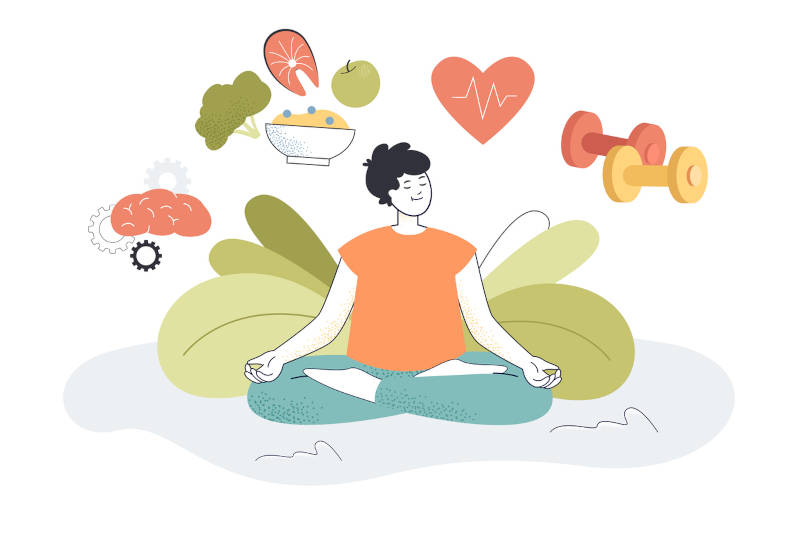
Healthy coping involves using constructive strategies to manage stress, difficult emotions, and challenging circumstances. Examples include exercising, talking with someone you trust, practicing relaxation techniques, maintaining a consistent sleep schedule, journaling, or seeking professional support.
Self-medication occurs when someone uses a substance or potentially harmful behavior to reduce emotional distress or psychological symptoms without addressing the underlying cause. For example, a person experiencing persistent anxiety may begin drinking alcohol every evening because it temporarily makes them feel calmer.
The key distinction is that healthy coping supports long-term well-being, while self-medication generally provides short-term relief and can worsen problems over time.
Why Do People Turn to Self-Medication?
People may turn to self-medication because emotional pain can feel difficult to tolerate. Substances or certain behaviors may temporarily change mood, quiet distressing thoughts, increase relaxation, or help someone escape uncomfortable feelings.
Someone experiencing anxiety may use alcohol to feel less tense in social situations. Another person dealing with depression might use substances to temporarily escape feelings of sadness or hopelessness. Someone struggling with trauma symptoms may turn to drugs or alcohol in an attempt to reduce intrusive memories or emotional distress.
Self-medication does not necessarily mean someone consciously decides to misuse a substance. Sometimes the behavior develops gradually. What starts as an occasional way to unwind can become a regular pattern as the person begins relying on it to regulate emotions.
What Are Examples of Healthy Coping Strategies?
Healthy coping strategies address stress and emotions without creating additional physical, emotional, or social problems. Effective strategies can vary from person to person, but several approaches are broadly useful.
Physical activity can help reduce tension and provide a healthy outlet for stress. Adequate sleep and regular meals can also support emotional regulation and overall functioning.
Social connection is another important coping tool. Talking with a trusted friend, family member, support group, or mental health professional can make difficult experiences feel more manageable.
Other healthy coping strategies include:
- Practicing deep breathing or mindfulness
- Taking breaks when feeling overwhelmed
- Spending time outdoors
- Engaging in hobbies and creative activities
- Setting realistic boundaries
- Maintaining a structured daily routine
- Writing down thoughts and emotions
- Asking for professional help when symptoms become difficult to manage
Therapy can also teach people practical skills for handling distress. Cognitive-behavioral therapy (CBT) can help people recognize unhelpful thought patterns and develop healthier responses to difficult situations. Dialectical behavior therapy (DBT) can teach skills related to emotional regulation, distress tolerance, mindfulness, and interpersonal effectiveness.
What Are Common Signs That Coping Has Become Self-Medication?
One of the clearest warning signs is reliance. If someone feels unable to handle stress, anxiety, sadness, trauma symptoms, or other emotions without using a substance or engaging in a particular behavior, the strategy may have become unhealthy.
Other warning signs can include:
- Using substances primarily to change your mood
- Needing increasingly larger amounts to achieve the same effect
- Feeling anxious or uncomfortable when the substance is unavailable
- Using alcohol or drugs alone or in secret
- Frequently thinking about when you can use again
- Continuing despite problems at work, school, or home
- Using substances immediately after experiencing emotional distress
- Neglecting responsibilities because of substance use
- Experiencing withdrawal symptoms
- Feeling unable to relax or sleep without using a substance
The purpose behind the behavior is also important. Having a drink occasionally with friends is different from feeling that you need alcohol every night to stop thinking about a traumatic experience or calm overwhelming anxiety.
Can Mental Health Conditions Increase the Risk of Self-Medication?
Yes. Certain mental health conditions may make someone more vulnerable to self-medication, particularly when symptoms are untreated or inadequately managed.
Conditions such as ADHD, bipolar disorder, borderline personality disorder (BPD), PTSD, and OCD can involve symptoms that feel difficult to manage without professional support.
For some people, self-medication becomes an attempt to control symptoms such as racing thoughts, emotional distress, intrusive thoughts, irritability, panic, insomnia, or traumatic memories.
However, substances typically do not treat the underlying mental health condition. In some cases, they can make symptoms more severe or interfere with effective treatment.
Why Can Self-Medication Make Mental Health Symptoms Worse?
Self-medication often creates a cycle of temporary relief followed by additional problems. A substance may initially make someone feel calmer or happier, but its effects eventually wear off. The person may then experience the original symptoms again, sometimes more intensely.
Regular substance use can also interfere with sleep, relationships, employment, physical health, and emotional stability. Over time, dependence or addiction may develop, creating another condition that requires attention.
This can make it increasingly difficult to determine whether symptoms are coming from an underlying mental health condition, substance use, withdrawal, or a combination of factors. Treating both issues appropriately may therefore be important.
How Can Someone Replace Self-Medication With Healthier Coping Skills?
The first step is recognizing the pattern without judging yourself. Self-medication often develops because someone is trying to find relief, not because they are intentionally trying to create additional problems.
Next, identify the emotion or situation that typically triggers the behavior. Ask yourself what happens immediately before you use a substance or engage in the behavior. Recognizing these triggers can help reveal opportunities to use healthier alternatives.
Professional treatment can also provide guidance. A mental health professional can help identify underlying concerns, develop coping strategies, and determine whether additional treatment is appropriate.
For some people, group therapy can provide opportunities to learn from others experiencing similar challenges. Trauma-informed therapy may be particularly helpful when self-medication is connected to past traumatic experiences.
When Should Someone Seek Professional Help for Self-Medication?
Professional help may be appropriate when substance use or another behavior has become difficult to control, is interfering with daily responsibilities, or is being used regularly to manage emotional symptoms.
Someone should also consider seeking help if anxiety, depression, trauma symptoms, mood changes, intrusive thoughts, or other mental health concerns persist despite attempts to cope independently.
You do not have to wait until a problem becomes severe before seeking support. Early treatment can provide an opportunity to understand what is driving the behavior and develop healthier ways to respond.
How Can Solutions Behavioral Health Help With Mental Health Concerns?
If you are relying on substances or unhealthy behaviors to cope with emotional distress, professional support can help you move toward healthier and more sustainable coping strategies.
Solutions Behavioral Health provides mental health treatment in Brookfield, Wisconsin, with care focused on helping individuals better understand their symptoms, develop practical coping skills, and work toward improved emotional well-being. Treatment can help address underlying mental health concerns rather than simply masking symptoms.
If stress, anxiety, depression, trauma, or another mental health concern is affecting your daily life, reaching out for support can be an important first step. Call us today at (262) 999-0871.
Contact Solutions Behavioral Health at (262) 999-0871 to learn more about available mental health treatment options and take the next step toward healthier ways of coping.