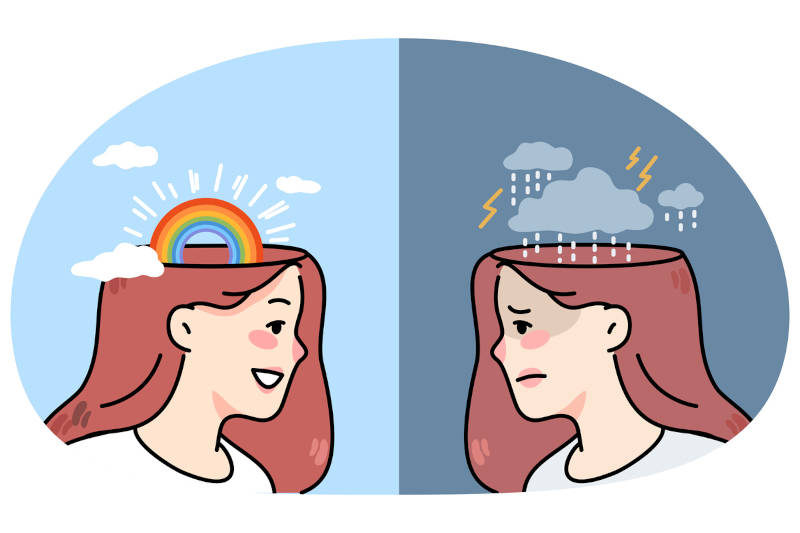


Stress and anxiety can feel remarkably similar. Both may cause racing thoughts, muscle tension, irritability, difficulty concentrating, sleep problems, and physical discomfort. Because the symptoms overlap, it can be difficult to know whether you are experiencing a normal response to a challenging situation or dealing with an anxiety disorder that may require professional support.
Understanding the difference between stress and anxiety can help you recognize what your mind and body are experiencing. While stress is typically connected to an identifiable external challenge, anxiety can persist even when there is no immediate threat or clear source of danger. Knowing when symptoms have become disruptive or persistent can also help you determine when it may be time to seek treatment.
What Is the Difference Between Stress and Anxiety?
Stress is generally a response to a specific challenge, demand, or perceived threat. Work deadlines, relationship difficulties, financial concerns, major life changes, and academic pressures can all trigger stress. Once the stressful situation is resolved or removed, symptoms often improve.
Anxiety can involve excessive fear, worry, or apprehension that may continue even when there is no immediate stressor. Occasional anxiety is a normal part of life, but persistent or intense anxiety may indicate an anxiety disorder.
The key distinction is often what triggers the symptoms and how long they last. Stress tends to have a recognizable cause and may decrease when the situation changes. Anxiety can become more persistent, difficult to control, and disproportionate to the circumstances.
What Are the Common Symptoms of Stress?
Stress can affect your thoughts, emotions, behavior, and physical health. Common symptoms include:
- Muscle tension or headaches
- Irritability or frustration
- Feeling overwhelmed
- Difficulty concentrating
- Changes in sleep
- Fatigue
- Digestive problems
- Increased heart rate
- Restlessness
- Changes in appetite
- Withdrawing from responsibilities or social activities
Stress can also affect behavior. Someone under significant stress may become short-tempered, procrastinate, have difficulty making decisions, or rely on unhealthy coping strategies.
Short-term stress is not necessarily harmful. In some circumstances, it can increase alertness and motivation. Problems can arise when stress becomes chronic and the body remains in a heightened state of activation for an extended period.
What Are the Common Symptoms of Anxiety?
Anxiety can produce many of the same physical and emotional symptoms as stress, but the experience may be more persistent or difficult to control. Symptoms can include:
- Excessive or persistent worry
- Feeling restless or on edge
- Racing thoughts
- Difficulty concentrating
- Irritability
- Muscle tension
- Sleep difficulties
- Rapid heartbeat
- Shortness of breath
- Sweating or trembling
- Avoiding situations because of fear
- Feeling that something bad is going to happen
Anxiety may also involve worrying about multiple areas of life at once. Instead of focusing on one specific problem, a person may experience an ongoing sense that something is wrong or that a negative event is about to occur.
How Can You Tell Whether Your Symptoms Are Caused by Stress or Anxiety?
Looking at the trigger, duration, intensity, and impact of your symptoms can provide useful clues.
If your symptoms started after a specific stressful event and gradually improve as the situation gets under control, stress may be the more likely explanation. For example, someone might experience significant stress before an important presentation but feel considerably better once the presentation is over.
Anxiety may be more likely when worry continues after a stressful situation has passed, occurs without an obvious trigger, or interferes with daily functioning. Avoiding people, places, responsibilities, or activities because of fear can also indicate that anxiety has become more than a temporary response to stress.
However, stress and anxiety can occur together. Chronic stress can contribute to anxiety symptoms, and someone with an anxiety disorder may experience heightened symptoms during particularly stressful periods.
Can Stress Turn Into Anxiety?
Chronic or overwhelming stress can contribute to the development or worsening of anxiety symptoms. When someone experiences prolonged pressure without adequate opportunities for recovery, the nervous system can remain activated for extended periods.
This does not mean that everyone experiencing chronic stress will develop an anxiety disorder. However, persistent stress can make it more difficult to regulate emotions, sleep effectively, concentrate, and cope with additional challenges.
Paying attention to symptoms early can be helpful. Addressing sources of stress, improving coping strategies, maintaining healthy routines, and seeking professional support when necessary can help prevent symptoms from becoming increasingly disruptive.
When Should You Seek Professional Help for Stress or Anxiety?
Professional help may be appropriate when stress or anxiety begins interfering with your ability to function or enjoy daily life.
Consider talking with a mental health professional if you:
- Experience persistent worry that is difficult to control
- Frequently feel overwhelmed or on edge
- Have significant problems sleeping
- Avoid important activities because of fear or worry
- Have difficulty maintaining work, school, or relationship responsibilities
- Experience frequent physical symptoms related to anxiety
- Use alcohol or other substances to cope with distress
- Feel that your symptoms are getting worse rather than better
- Have tried managing symptoms on your own without meaningful improvement
You do not have to wait until symptoms become severe before seeking help. Early treatment can provide tools for managing symptoms and addressing the underlying factors contributing to emotional distress.
What Other Mental Health Conditions Can Overlap With Anxiety or Stress?
Anxiety and chronic stress can occur alongside other mental health conditions. For example, someone experiencing persistent low mood may also struggle with anxiety, while individuals dealing with trauma may experience heightened alertness, fear, or avoidance.
Conditions such as depression, ADHD, bipolar disorder, PTSD, or obsessive-compulsive disorder (OCD) can involve symptoms that overlap with anxiety or stress.
This is one reason self-diagnosis can be difficult. A mental health professional can evaluate your symptoms, identify contributing factors, and determine whether another condition may be affecting your emotional well-being.
What Treatments Can Help With Anxiety and Chronic Stress?
Treatment depends on the individual’s symptoms, needs, and underlying concerns. Psychotherapy is one common approach for managing anxiety and developing healthier responses to stress.
Cognitive-behavioral therapy (CBT) can help people recognize unhelpful thought patterns and develop more effective ways to respond to stressful or anxiety-provoking situations. Dialectical behavior therapy (DBT) can also help individuals develop skills for emotional regulation, distress tolerance, and coping with difficult experiences.
Other approaches may include group therapy, where people can work on therapeutic goals while developing connections with others experiencing similar challenges. For individuals whose symptoms are connected to traumatic experiences, trauma-informed therapy can provide an approach that recognizes how trauma may affect emotional and behavioral responses.
Treatment may also involve psychiatric evaluation or medication management when clinically appropriate. A qualified professional can help determine which combination of services makes sense based on the person’s needs.
How Can You Manage Everyday Stress and Anxiety Symptoms?
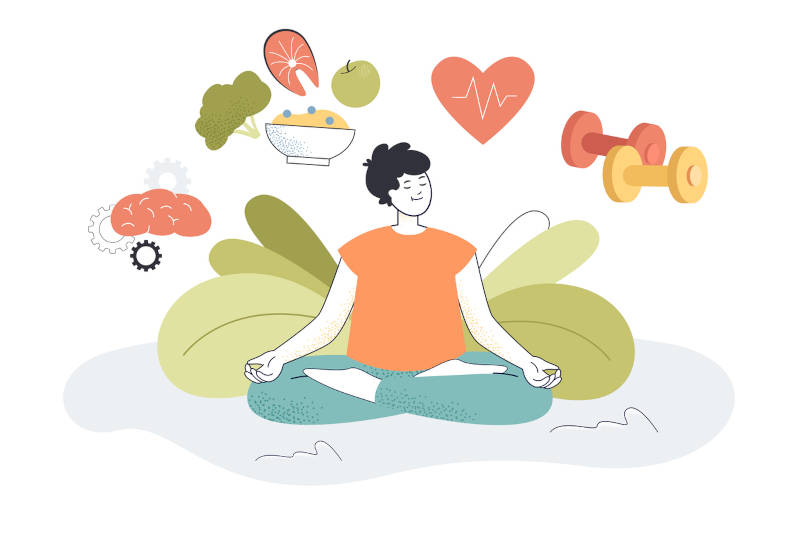
Healthy coping strategies can help reduce the impact of everyday stress and mild anxiety. Helpful practices may include getting consistent sleep, exercising regularly, eating balanced meals, limiting excessive caffeine, practicing relaxation techniques, and maintaining supportive social connections.
It can also help to break large responsibilities into smaller tasks. When your mind is focused on everything that needs to be accomplished, identifying one manageable next step can make a situation feel less overwhelming.
However, coping strategies are not a substitute for professional treatment when symptoms are persistent, severe, or significantly affecting your life.
How Can You Know When It Is Time to Get Help?
The most important question is not simply whether you experience stress or anxiety, but whether your symptoms are interfering with your life and becoming difficult to manage on your own.
Temporary stress is a normal part of being human. Anxiety can also occur occasionally without indicating a mental health disorder. But when fear, worry, physical symptoms, or avoidance become persistent and interfere with relationships, responsibilities, sleep, or overall quality of life, professional support may be beneficial.
You do not need to have all the symptoms of an anxiety disorder to reach out for help. A mental health professional can help you understand what you are experiencing and determine the appropriate next steps.
Where Can You Get Treatment for Anxiety and Other Mental Health Concerns in Brookfield, Wisconsin?
If stress or anxiety is making it difficult to manage everyday life, Solutions Behavioral Health provides mental health treatment designed to help individuals better understand their symptoms, develop healthier coping skills, and work toward lasting improvement.
Solutions Behavioral Health is located at 3400 Intertech Dr #300, Brookfield, WI 53045. If you are struggling with anxiety, chronic stress, or another mental health concern, call us today at (262) 999-0871 to get the support you need.
Contact Solutions Behavioral Health to learn more about available mental health treatment options and determine whether professional care may be right for you.