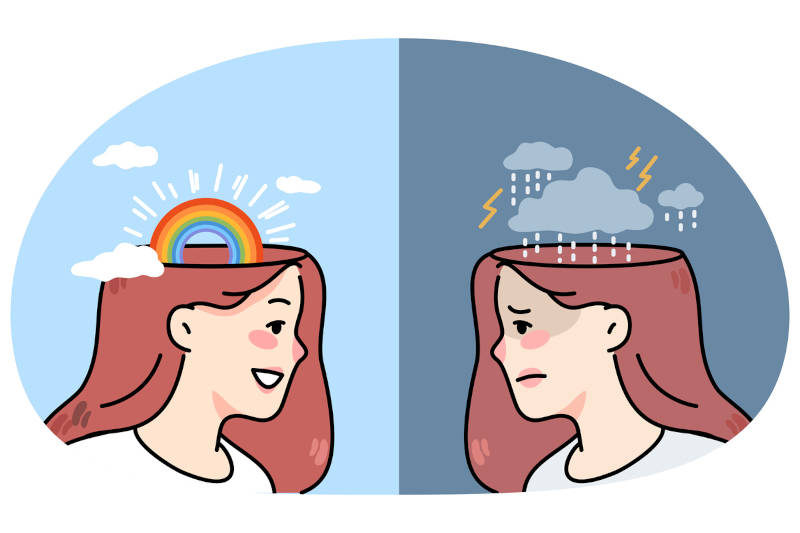


When someone is looking for mental health treatment, choosing the right level of care can feel overwhelming. Two common outpatient options are Full-Day Treatment (PHP) and Half-Day Treatment (IOP). Both provide structured support while allowing clients to continue living at home, but they differ in the amount of time, supervision, and therapeutic support involved.
Understanding the differences between these programs can make it easier to determine which level of care may be appropriate. At Solutions Behavioral Health in Brookfield, Wisconsin, treatment recommendations are based on each person’s symptoms, needs, goals, and current level of stability.
What Is Full-Day Treatment (PHP)?
Full-Day Treatment (PHP) is a highly structured outpatient level of mental health care designed for people who need substantial therapeutic support without staying overnight at a treatment facility. Full-Day Treatment (PHP) is commonly known as a partial hospitalization program.
Clients typically participate in treatment for much of the day and return home when programming ends. This structure provides more support than traditional outpatient therapy while allowing individuals to maintain connections with their families, homes, and communities.
Full-Day Treatment (PHP) may be appropriate for people experiencing significant mental health symptoms that interfere with daily functioning, relationships, work, school, or other responsibilities. It can also serve as a step-down from a higher level of care or as an alternative when someone requires more support than traditional outpatient treatment can provide.
What Is Half-Day Treatment (IOP)?
Half-Day Treatment (IOP) is another structured outpatient option for people who need more support than conventional weekly therapy but do not require the intensity of a full-day program. Half-Day Treatment (IOP) is commonly known as an intensive outpatient program.
As its name suggests, Half-Day Treatment (IOP) generally involves several hours of treatment during scheduled program days. Participants receive ongoing therapeutic support while having more time outside of treatment to work, attend school, care for family members, or practice coping skills in their everyday environment.
Half-Day Treatment (IOP) can be used as an initial treatment option or as a transition from a more intensive level of care. The appropriate schedule and treatment plan depend on the individual’s clinical needs.
How Do Full-Day Treatment (PHP) and Half-Day Treatment (IOP) Differ?
The primary difference between Full-Day Treatment (PHP) and Half-Day Treatment (IOP) is the intensity and amount of structured treatment provided.
Full-Day Treatment (PHP) generally involves spending more hours each treatment day in a structured therapeutic environment. This makes it a better fit for individuals who need frequent clinical support and more comprehensive programming.
Half-Day Treatment (IOP) provides fewer treatment hours while still offering consistent therapeutic care. It may be better suited for individuals who have achieved greater stability or whose symptoms can be effectively managed with a less intensive schedule.
Neither level of care is automatically better than the other. The right choice depends on factors such as symptom severity, safety concerns, functional impairment, treatment history, and the individual’s ability to manage responsibilities outside of treatment.
Who May Benefit From Full-Day Treatment (PHP)?
Full-Day Treatment (PHP) may benefit individuals whose mental health symptoms require a high degree of structure and support but who can safely live outside of a residential setting.
Conditions that may be addressed through structured outpatient treatment can include anxiety, ADHD, bipolar disorder, depression, borderline personality disorder (BPD), PTSD, and OCD, depending on the person’s individual circumstances.
Full-Day Treatment (PHP) may be particularly helpful when symptoms are significantly disrupting everyday life or when someone needs more frequent therapeutic intervention to make meaningful progress.
Who May Benefit From Half-Day Treatment (IOP)?
Half-Day Treatment (IOP) may be appropriate for people who need regular and structured mental health treatment but have enough stability to spend a larger portion of the day outside of programming.
For example, someone may benefit from Half-Day Treatment (IOP) when symptoms are affecting relationships, work, school, or emotional well-being but do not require the intensity of a full-day schedule. It can also provide continued support following Full-Day Treatment (PHP).
One advantage of Half-Day Treatment (IOP) is the opportunity to practice newly developed skills in real-world situations between treatment sessions. Clients can then discuss challenges, successes, and setbacks with their treatment team and continue building healthier patterns.
What Therapies Are Used in These Programs?
Both levels of care can incorporate evidence-based therapies and other behavioral health services based on each client’s treatment plan.
Cognitive-behavioral therapy (CBT) may help clients identify unhelpful thought patterns and develop healthier ways of responding to difficult situations. Dialectical behavior therapy (DBT) can help individuals strengthen emotional regulation, distress tolerance, interpersonal effectiveness, and other practical coping skills.
Group therapy can provide opportunities to learn from others facing similar challenges while developing communication and interpersonal skills. For individuals whose symptoms are connected to traumatic experiences, trauma-informed therapy can help ensure treatment recognizes the potential effects of trauma on emotional and behavioral health.
The specific combination of therapies depends on the individual’s needs and clinical assessment.
How Does Someone Know Which Level of Care Is Right?
The appropriate level of care should be determined through a professional clinical assessment rather than by comparing program names alone.
A treatment provider may consider symptom severity, current functioning, previous treatment experiences, support at home, ability to maintain safety, and the amount of structure needed to make progress. Someone who needs extensive daily support may benefit from Full-Day Treatment (PHP), while another person may achieve meaningful progress through Half-Day Treatment (IOP).
Treatment needs can also change over time. A person may begin with Full-Day Treatment (PHP) and later transition to Half-Day Treatment (IOP) as symptoms improve and greater independence becomes appropriate.
Can Full-Day Treatment (PHP) and Half-Day Treatment (IOP) Be Part of the Same Treatment Plan?
Yes. Mental health treatment is not necessarily a single-step process. Levels of care can be adjusted as a person’s needs change.
For example, an individual may begin with Full-Day Treatment (PHP) because they need intensive daily support. As symptoms become more manageable, they may transition to Half-Day Treatment (IOP) to maintain therapeutic momentum while gradually resuming more daily responsibilities.
This step-down approach can provide continuity while helping clients build confidence using their coping skills outside of treatment.
Get PHP or IOP Treatment in Brookfield, Wisconsin
Choosing the right treatment program is an important decision, and professional guidance can help you understand which level of care best matches your needs. Solutions Behavioral Health provides mental health treatment in Brookfield, Wisconsin, with structured outpatient services designed around each client’s individual circumstances.
If you or someone you love is struggling with mental health symptoms and could benefit from a higher level of outpatient support, call Solutions Behavioral Health at (262) 999-0871 to learn more about available treatment options.
Contact Solutions Behavioral Health today to discuss your treatment needs and take the next step toward improved mental health and well-being.